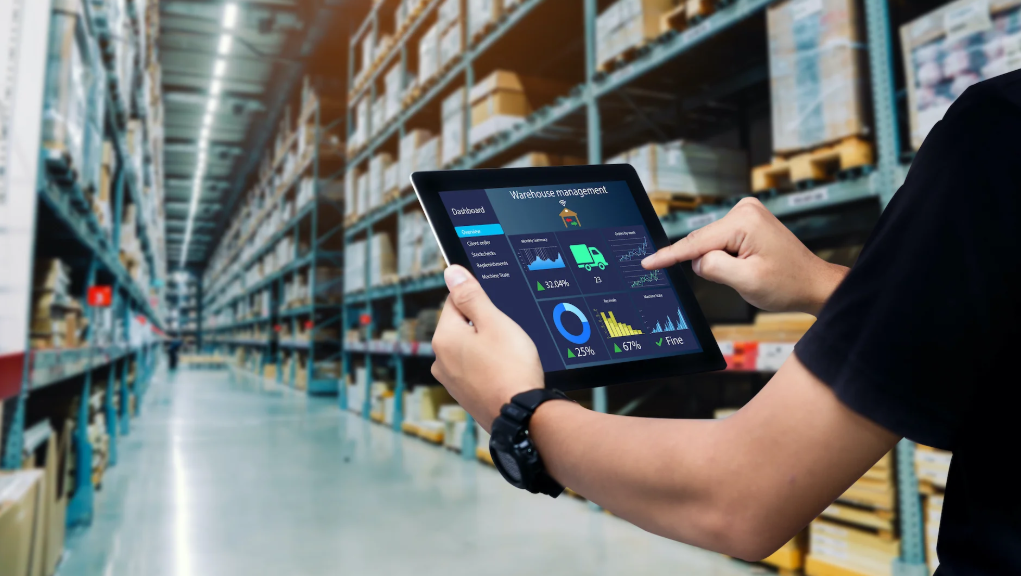
How Technology Improves Supply Chains

Technology has become a critical factor in enhancing supply chain efficiency. Automation and robotics streamline operations, reducing costs and errors. Artificial intelligence drives better forecasting and decision-making through data analysis. Additionally, IoT provides real-time visibility, enabling swift responses to disruptions. These advancements collectively transform inventory management and order fulfillment. However, the implications of these changes extend beyond mere efficiency. Understanding the full impact requires further exploration of each technological component.
Automation and Robotics in Supply Chain Management
As supply chains become increasingly complex, companies are turning to automation and robotics to enhance efficiency and reduce operational costs.
Automated warehousing systems streamline inventory management, while robotic processes optimize picking and packing. This integration not only accelerates operations but also minimizes human error, allowing businesses to maintain competitive advantages.
Ultimately, such innovations empower organizations to allocate resources more freely and effectively.
The Role of Artificial Intelligence and Machine Learning
Artificial Intelligence (AI) and Machine Learning (ML) are revolutionizing supply chain management by providing sophisticated data analysis and predictive capabilities.
These technologies enhance predictive analytics, enabling organizations to improve demand forecasting accuracy. By analyzing vast datasets, AI and ML identify trends and patterns, allowing companies to make informed decisions, optimize inventory levels, and respond proactively to market fluctuations, ultimately enhancing operational efficiency.
See also: gagnanturf
Enhancing Visibility With Iot and Advanced Analytics
The integration of IoT (Internet of Things) and advanced analytics into supply chain operations significantly enhances visibility across all stages of the supply chain.
Real-time tracking of assets and inventory facilitates informed decision-making, while predictive analytics anticipates disruptions and optimizes resource allocation.
This strategic approach empowers organizations to respond swiftly to market dynamics, fostering a more resilient and agile supply chain environment.
Streamlining Inventory Management and Order Fulfillment
How can organizations effectively streamline inventory management and order fulfillment in today’s fast-paced market?
By leveraging technology for real-time tracking and precise demand forecasting, companies can enhance efficiency and responsiveness.
Implementing automated systems allows for optimal stock levels, reducing excess inventory and minimizing shortages.
This strategic approach not only improves customer satisfaction but also promotes operational freedom, allowing organizations to adapt swiftly to market dynamics.
Conclusion
In the intricate tapestry of modern supply chains, technology serves as the weaver, threading together automation, AI, and IoT into a cohesive whole. Each technological advancement acts as a shimmering thread, enhancing visibility and efficiency while reducing waste. As organizations embrace these innovations, they not only fortify their operational resilience but also craft a more responsive and customer-centric landscape. Ultimately, this strategic integration symbolizes a transformative journey toward a seamless, adaptive supply chain, ready to navigate the complexities of a dynamic market.